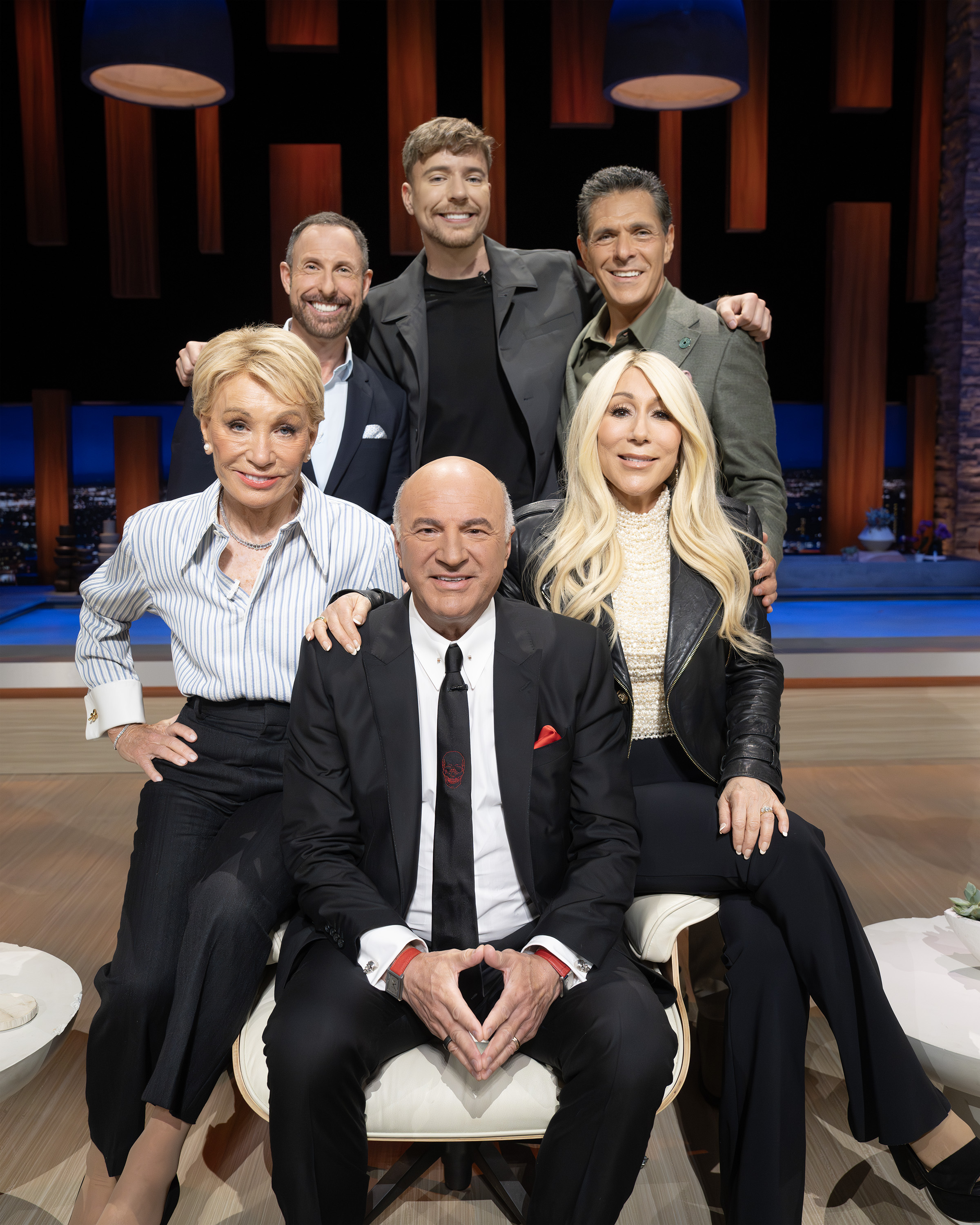
Shark Tank opened its eighteenth season on September 30 with eight businesses, two episodes, and a question bigger than any one negotiation: can the show bring in a new audience without losing what longtime viewers liked about it? MrBeast and Beast Industries CEO Jeff Housenbold joined the first episode; Favorite Daughter co-founders Erin and Sara Foster followed in the second. Their appearances put audience reach, investor expertise, and the tone of the show itself into the conversation.
This is not just a guest-star story. Production has moved to Atlanta, Kendra Scott and Rashaun Williams have joined the permanent roster, and the opening pitches offered sharply different answers to what a Shark should provide. We see a season testing how familiar business negotiations work with a changing cast—not evidence, yet, that the changes have succeeded or failed.
A New Home for the Tank
Season 18 was filmed at Tyler Perry Studios in Atlanta after production relocated from Los Angeles. WSB-TV's September 29 behind-the-scenes report showed the new production home and featured interviews with the Sharks. The move is a substantial change behind the cameras, even though viewers still see entrepreneurs making their case across the same kind of intimidating investor panel.
For Atlanta-based Rashaun Williams, it also had a personal benefit. In a September 30 Atlanta Journal-Constitution interview, he said having family and friends nearby helped him feel more comfortable than when filming in Los Angeles. His promotion, alongside Kendra Scott's, gives the season more than a rotating list of celebrity visitors. We covered those appointments in our Season 18 cast and premiere guide; the new question is how that mix works on screen.
The Sharks Are Bringing Audiences, Not Just Money
Our read of the premiere is that access to customers was as important as access to capital. That is not entirely new for Shark Tank: Lori Greiner's television-retail experience has long been part of her appeal. What changes with a creator-led business like Team Beast is the route through which a product might find its audience.
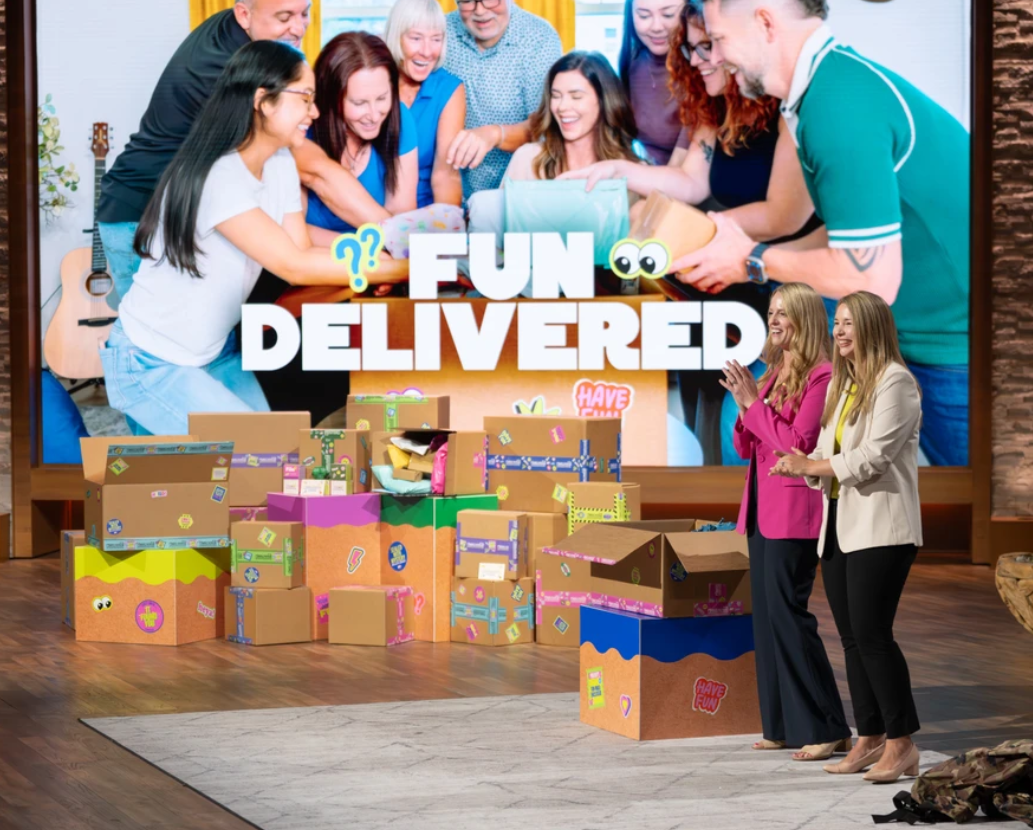
Fundelivered made that connection especially clear. Rebecca Dallman and Jena Butler's mystery-box business turns opening packages into entertainment. They accepted an on-air agreement of $600,000 for 24% with Lori and Team Beast, following an initial ask of $400,000 for 10%. It is an instructive pairing: an experienced consumer-product seller alongside a team whose business centers on attracting viewers. That combination creates possibilities; it does not establish how many customers the partnership will deliver.
Ball 2 showed the potential cost of that access. Andrew Brown and Kevin Langdon asked for $200,000 for 10% and accepted Team Beast's $250,000 offer for 55%. The sensor-equipped ball lets users create games through an app, making demonstrations part of its appeal. The founders chose a proposed partnership involving marketing, manufacturing, and distribution at the price of majority ownership. Whether that trade-off pays off is a story to follow, not a result we can announce after the broadcast.
A $50,000 Gift Raises a Different Question
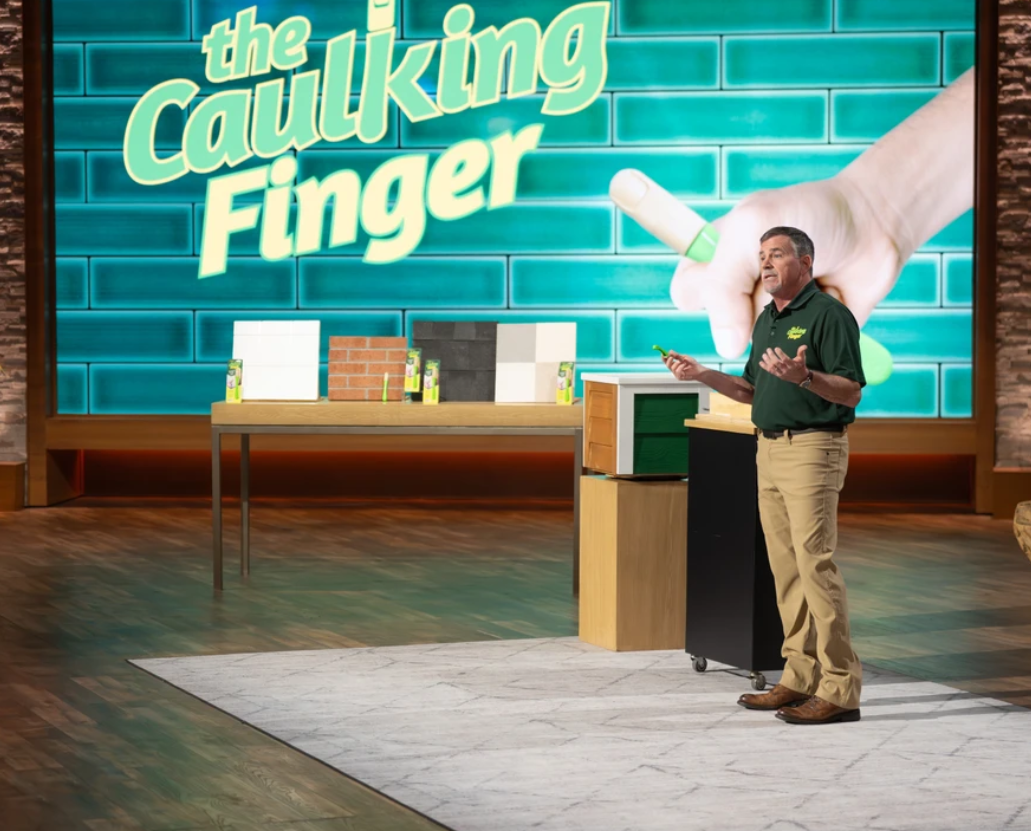
The Caulking Finger produced almost the opposite outcome. Daniel Stephenson sought $50,000 for 10% of his tool business. MrBeast instead offered the money as a gift without taking equity, and Stephenson accepted. A gift is not an equity investment, even when both give a founder funding.
In the product's Reddit episode discussion, several commenters wondered whether money alone addressed the founder's need for business guidance. Another said the appearance introduced them to a tool they would buy. Those reactions identify two different benefits of the show: support from an investor and discovery by potential customers. The televised gift does not tell us the extent of any later mentorship, so we should not assume either that ongoing help was promised or that none will occur.
What Some Early Viewers Are Debating
Discussion of the new guests began before the episodes aired. In a Reddit thread about MrBeast appearing alongside Housenbold, some users questioned whether an investor should need a business partner at the table. Others pointed to the value of MrBeast's audience or viewed the arrangement as collaboration. Housenbold is the CEO of Beast Industries, not simply an unnamed adviser accompanying a celebrity.
The Foster sisters' appearance prompted a different disagreement in the Ellavate episode thread. Some commenters disliked their playful presentation style; others defended it as professional and comparable to the banter of established Sharks. That is a disagreement about on-screen chemistry, not evidence about the quality of their investments.
These are small, self-selected Reddit discussions, not a representative audience survey. We are describing arguments that appeared in the threads, not measuring which view is most popular. Taken together, they suggest a useful question for our coverage: do viewers judge a new Shark primarily by negotiating skill, business experience, entertainment value, or the customers they could bring to a company?
Did the Premiere Deliver a Ratings Boost?
As of October 2, we have not verified a Nielsen audience figure for the Season 18 premiere. That means we cannot responsibly say MrBeast increased viewership, the new guests drove viewers away, or the season reversed an earlier trend. Social-media comments, clip views, and online popularity rankings do not answer the same question as television audience measurements.
When comparable figures become available, the useful test will be each episode's audience and adults 18–49 rating, with the viewing window and time slot identified. The two premiere episodes occupied different hours. A difference between them would not, by itself, isolate the effect of their guest Sharks. Delayed and streaming viewing also need to be distinguished from same-day broadcast results.
The Business Story Continues After the Cameras Stop
Williams offered a timely reminder in his Atlanta Journal-Constitution interview: he was still reviewing businesses from the June tapings. He described pitches lasting roughly 40 minutes to an hour before being condensed for television, with due diligence continuing afterward. His account helps explain why a completed episode is not the same thing as a completed transaction.
That is the distinction we will keep in following these companies. The premiere gives us televised terms and founders' decisions. It does not automatically establish that every agreement closed, that promised introductions happened, or that a burst of attention became sustainable sales.
For the full company lineups and results, visit our Season 18, Episode 1 page and Episode 2 page. Our early takeaway is that the changing cast makes the relationship between attention, expertise, and ownership more visible. The season's more meaningful verdict will come from what viewers keep watching—and what the businesses actually do next.
Sources
Featured photo: Disney/Daniel Delgado Jr., courtesy of ABC Press's Season 18 premiere gallery.
- The Businesses and Products from Season 18, Episodes 1 and 2 — ABC, September 30, 2026
- Shark Tank Season 18 cast and synopsis — ABC Press, accessed October 2, 2026
- Shark Tank Dives Into Atlanta for New Season — WSB-TV, September 29, 2026
- Atlanta's Rashaun Williams Gets Full-Time Shark Tank Status in His Own Town — The Atlanta Journal-Constitution, September 30, 2026
- Ocala Women Land $600,000 Deal With MrBeast, QVC Queen on Shark Tank — Ocala-News.com, October 1, 2026
- Discussion of MrBeast and Jeff Housenbold's joint appearance — r/sharktank, accessed October 2, 2026; individual opinions
- Season 18 Episode 1: The Caulking Finger discussion — r/sharktank, accessed October 2, 2026; individual opinions
- Season 18 Episode 2: Ellavate discussion — r/sharktank, accessed October 2, 2026; individual opinions
- Shark Tank Season 18, Episodes 1 and 2 — ABC, aired September 30, 2026. Pitch terms cross-checked against our season dataset; on-air agreements are distinguished from completed investments.